Kenworth Trucks History: From 1923 to the End of the W900
- Marko Cekerevac
- September 10, 2026
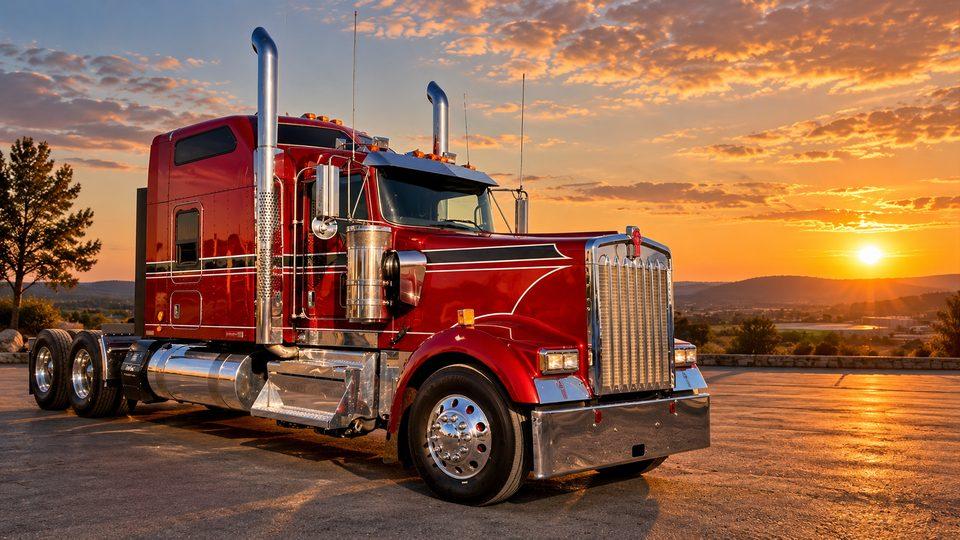
Kenworth and Peterbilt. Drivers argue about these two brands at every truck stop in America — which one’s tougher, which one’s the real American classic, which one you’d grab if your money was on the line. Almost nobody brings up the part that actually ends the argument: both trucks have rolled out of the same parent company since 1945. Same parent. Same family. Eighty years of fake competition.
This post covers the full Kenworth trucks history — from a hand-built truck shop in Seattle in 1923 to the 2025 announcement that ends the W900 after 65 years of production. It covers the engines that actually go into a Kenworth, two maintenance issues on the PACCAR MX-13 that turn into a five-figure repair if you miss them, how Kenworth stacks up against its sister brand Peterbilt, and whether a Kenworth is still worth buying now that the long hood era is closing out.
I’m Marko. I spent over a decade as an OTR driver and now run Truck Service Hub, a platform that connects drivers with trusted shops, fuel cards, and better companies to drive for. I ran aerodynamic Kenworths for most of my career — T680s, mostly. I’ve since had the chance to sit behind the wheel of a classic. Here’s what I know.
Table of Contents
- The Full History of Kenworth Trucks
- Kenworth’s Best Models — What Drivers Actually Think
- Kenworth vs. Peterbilt: What’s Actually Different
- The Story That Changed How I See Kenworth Trucks
- Pro Tip: The EGR Valve Problem on the PACCAR MX-13
- Better Pay Beats a Pretty Hood
- Pro Tip: The Turbocharger Problem on the PACCAR MX-13
- Is a Kenworth Worth Buying in 2026?
- Find a Trusted Kenworth Shop (and a Better Company) at Truck Service Hub
- Frequently Asked Questions About Kenworth Trucks
- The Bottom Line on Kenworth
The Full History of Kenworth Trucks
The Early Years — Seattle, 1923
The name isn’t an accident. Kent and Worthington — two Seattle businessmen who believed they could build a better truck than anyone else on the market. In January 1923, the Kenworth Motor Truck Corporation was born, and that first year the shop built 78 trucks by hand, one at a time, with gasoline engines and no frills. Simple, tough, and built to keep running.
There was no advertising budget behind that first run and no fancy marketing push. The Pacific Northwest in the 1920s ran on logging, mining, and construction, and none of those industries had patience for a truck that broke down in the woods sixty miles from the nearest mechanic. Kenworth built for that exact problem: something that could take a beating on unpaved logging roads and keep going. The reputation spread the only way it could back then — truck stop to truck stop, word of mouth from one logging outfit to the next.
By the late 1930s, that word-of-mouth reputation had carried Kenworth from a regional Seattle shop to a name known coast to coast. Then, in 1945, Pacific Car and Foundry came along and bought the company. The Kenworth story shifted into another gear entirely.
It’s worth sitting with how unlikely that run was. The Pacific Northwest in the 1920s and 30s wasn’t short on regional truck builders — plenty of small shops tried the same pitch of a rugged, no-frills work truck. Most of them didn’t survive the Depression. Kenworth did, because the trucks kept working long after the marketing budget ran out, and in an industry built on referrals, that’s the only advertising that actually compounds.
The Pacific Car and Foundry Acquisition — 1945
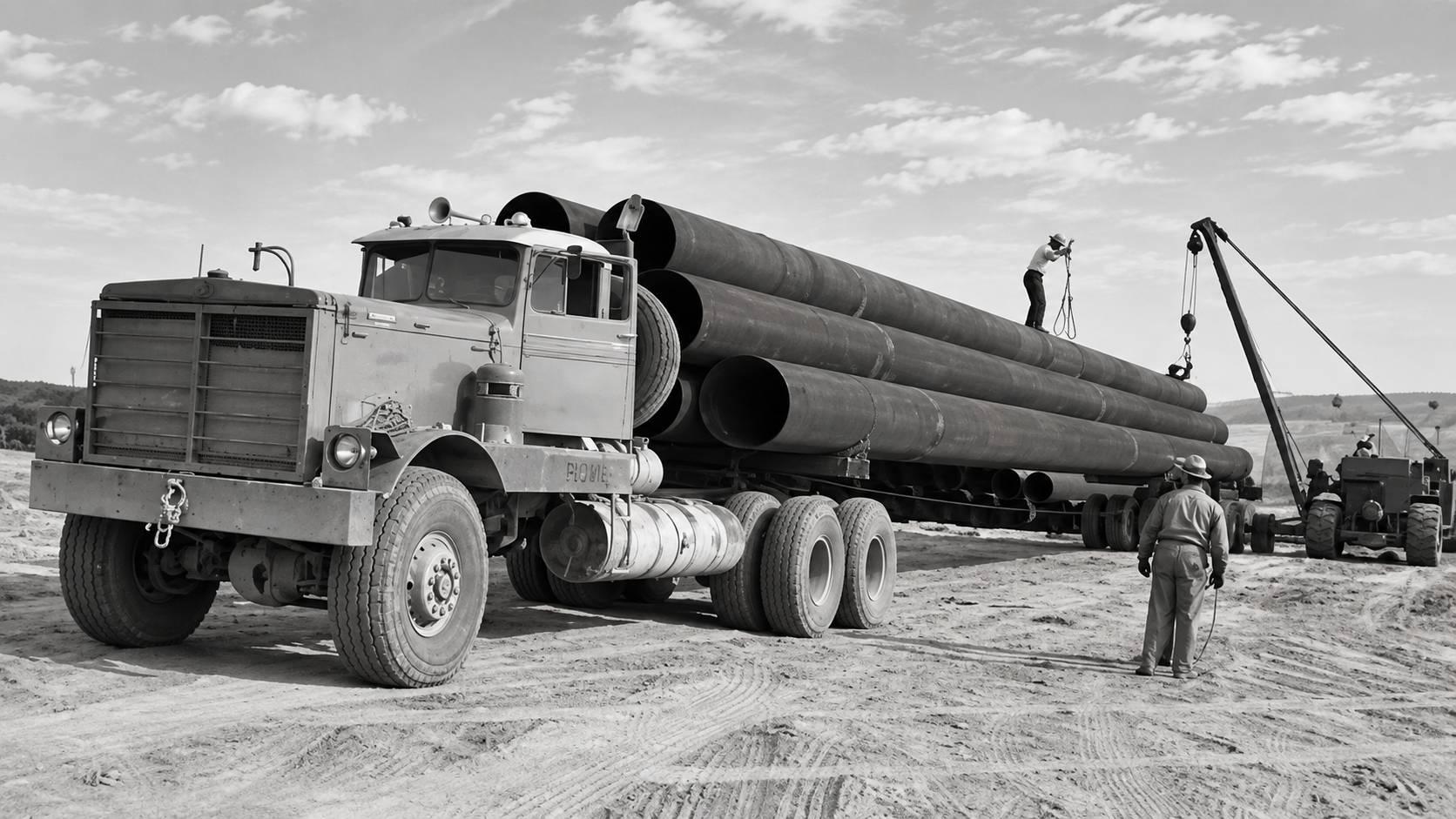
Pacific Car and Foundry — the company that would later rename itself PACCAR — gave Kenworth what a small Seattle shop never had on its own: real capital and real engineering resources. Through the late 1940s and 1950s, Kenworth kept evolving on the back of that investment. Bigger engines. Stronger frames. More customization options for the guy spec’ing his own truck. It set the stage for the model that would define the brand for the next six and a half decades.
It also set the stage for the sister-brand rivalry that still fuels arguments at every truck stop in the country. In 1958, the same parent company bought Peterbilt from the Peterman family estate — which means the “Kenworth or Peterbilt” debate has been an in-house argument for PACCAR since the Eisenhower administration. We get into exactly how the two brands differ later in this post.
Pacific Car and Foundry eventually renamed itself PACCAR in 1972 and grew into one of the largest truck manufacturing companies in the world, later adding DAF in Europe to the portfolio alongside Kenworth and Peterbilt. But the core of the business never changed from what it was in a Seattle shop in 1923: build the truck, let the driver decide if it earned his loyalty.
The W900 Era and Hollywood Fame — 1961 to the 1980s
In 1961, Kenworth introduced the W900, and nothing was ever the same. The original W900 ran a narrow hood — clean, simple lines. In 1965 they went wide with the W900A, giving the truck more road presence and more room under the hood for bigger engines. The W900B arrived in 1982 with refined ergonomics and updated components, and then the W900L landed in 1989 with an extended hood that became the signature silhouette most drivers picture when they hear the name “Kenworth.” Same core model, refined generation after generation for 65 years. That’s not just a truck. That’s a dynasty.
Hollywood is what turned that dynasty into a household name outside the trucking industry. In 1977, Smokey and the Bandit hit theaters, and Jerry Reed’s character Snowman drove a 1974 Kenworth W900A with chrome stacks and a big hood that became almost as famous as the human actors in the film. People walked out of theaters talking about the truck. Two years later, BJ and the Bear put Greg Evigan behind the wheel of a red-and-white Kenworth K-100 — the brand’s cabover model, common in an era when state length laws still rewarded a shorter front end — driving across America every week on NBC. Millions of viewers who had never set foot in a cab suddenly knew exactly what a Kenworth looked like. Hollywood didn’t create Kenworth’s reputation for toughness — the loggers and long-haul drivers did that first — but it made sure everybody in the country knew the name.
The W900’s dealer options fed that culture directly. Owner-operators could spec chrome bumpers, stacks, wheels, and interior trim almost however they wanted, and the truck-show circuit that grew up around trucking in the 70s and 80s turned a well-built W900 into a rolling statement piece. That customization culture is still a big part of why a clean, well-kept W900L commands attention — and a premium price — at any truck stop today.
The End of an Era — W900 Production Ends in 2026
In March 2025, Kenworth made it official: W900 production ends in 2026, after 65 years on the market. The reason isn’t declining demand — it’s emissions regulations and component constraints that the original chassis design can no longer meet. For a lot of drivers, this is personal, not just a product-line footnote. Owner-operators are buying W900s right now just to own one before the line shuts down, and resale values are already climbing. A well-maintained W900L is worth more today than it was five years ago, and that trend isn’t slowing down.
Here’s the scale of what Kenworth and its sister brand are actually holding onto as that chapter closes: by 2026, Kenworth and Peterbilt together account for roughly 35 percent of the American heavy-duty truck market. That’s what eight decades of building trucks that actually work gets you. The history explains how they got there — but the models are where you decide if one of them belongs in your driveway.
Kenworth’s Best Models — What Drivers Actually Think
W900 (1961–2026) — The Long-Hood Icon
The W900 is the truck people mean when they say “Kenworth” without thinking about it. Four major versions carried it across 65 years: the original narrow-hood W900 in 1961, the wider W900A in 1965, the W900B in 1982, and the extended-hood W900L in 1989 — the version most drivers picture today. Classic W900s from the 1980s and 90s came with your choice of Cummins, Caterpillar, or Detroit Diesel engines: simple, mechanically straightforward powerplants that most independent shops could diagnose and repair without pulling up a laptop.
Drivers don’t buy a W900 for fuel economy — they buy it for identity. There’s a saying in this industry: once you buy a classic, you become a classic driver for the rest of your life. That’s a real cultural weight, not marketing copy, and it’s a big part of why resale on a clean W900L is climbing right now instead of dropping the way most 15-to-20-year-old trucks do. It’s built for the owner-operator who wants road presence and doesn’t mind doing his own wrenching — not for a fleet chasing fuel-cost-per-mile.
T680 (2013–present) — The Aerodynamic Workhorse
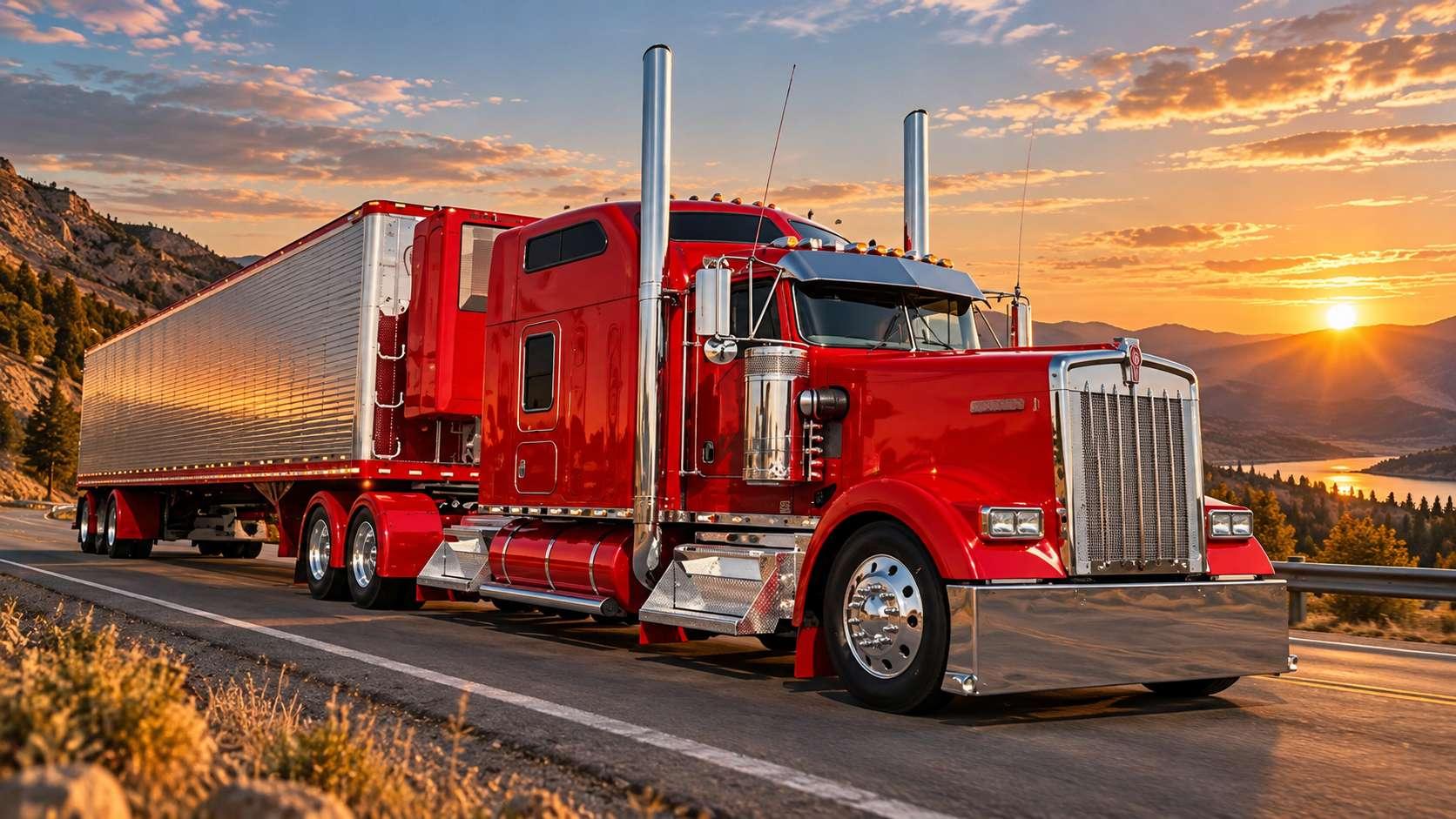
By 2013, the trucking world needed aerodynamics. Diesel was expensive and emissions standards were tightening, so Kenworth answered with the T680: a modern cab, predictive cruise control, and a body shape built to cut through wind instead of fight it. Owner-operators loved it because it cut real money off fuel costs on long hauls — up to 8 percent better fuel economy than an older conventional. That difference adds up fast for anyone running over 100,000 miles a year.
Every T680 built after around 2010 runs on the PACCAR MX-13 — Kenworth’s own in-house engine, 12.9 liters, up to 510 horsepower, quiet and smooth when it’s maintained right. It’s the engine most new Kenworth buyers are actually running today, which is exactly why the two maintenance issues later in this post matter so much for anyone shopping a T680 or W990.
W990 (2019–present) — The Long Hood’s New Chapter
Kenworth knew they couldn’t abandon the long-hood fans just because the market wanted aerodynamics, so in 2019 they introduced the W990: the same modern cab as the T680, the same MX-13 efficiency, but the classic long-nose styling that W900 drivers grew up loving. It’s a smart piece of product timing — give drivers the fuel efficiency today’s diesel prices demand, but keep the identity that makes a Kenworth a Kenworth.
The W990 is effectively the W900 for the next generation, and it arrived just in time. The W900 was already running out of road toward its 2026 production end, and the W990 is the model Kenworth is betting on to carry that long-hood identity forward once the original line stops.
K-100 (1960s–1980s) — The Cabover That Made Kenworth a TV Star
Before length laws changed to favor long-nose conventional trucks, cabovers like the K-100 were common on American highways, since many states capped total vehicle length and a flat front end meant more trailer for the same overall footprint. The K-100 is the truck Greg Evigan drove every week on BJ and the Bear, and for a lot of drivers who came up in that era, it’s the model that first put the Kenworth name in their head before they ever climbed into a W900.
Once federal length standards were harmonized in the early 1980s, the practical advantage of a cabover mostly disappeared, and conventional trucks like the W900 took over as the long-haul standard. The K-100 isn’t a truck you’ll find many drivers running daily today, but it’s a real part of how the brand became a household name — worth knowing if you ever come across one at a truck show.
Kenworth vs. Peterbilt: What’s Actually Different
Every driver who’s spent time at a truck stop has had this argument: Kenworth or Peterbilt? It’s a fair question on the surface, but the honest answer starts with the fact that both brands have been owned by the same parent — Pacific Car and Foundry, later renamed PACCAR — since 1945 for Kenworth and 1958 for Peterbilt. They’re not competitors in the way a Ford and a Chevy are competitors. They’re siblings built by the same company, marketed to slightly different corners of the same culture.
Engineering and parts. Because PACCAR owns both, the two brands share a lot under the skin — most notably the PACCAR MX-13 engine, which runs in both the T680 and Peterbilt’s 579. Dealer coverage and parts availability are close to a wash in most parts of the country, so you’re rarely stuck picking one brand because the other doesn’t have a shop nearby.
Styling and identity. This is where the real difference lives, and it’s mostly a matter of taste. Peterbilt leans harder into heritage styling and road presence with a script logo and a customization culture built around it. Kenworth’s W900 carries its own identity — the truck that Hollywood made famous in the 70s, the one that says “classic driver” the moment you climb in. Neither brand is objectively tougher or better built than the other. The honest take: if you already know which badge gets your pulse up walking through a truck stop lot, that’s the one worth spec’ing.
Interior and tech are close, too — both brands offer similar driver-assist packages, infotainment, and sleeper configurations on their modern platforms, since both are drawing from the same PACCAR engineering pool. The real split shows up in the used market: a Peterbilt tends to hold a slightly higher premium for long-hood models thanks to a marginally louder pop-culture footprint, while a Kenworth W900 has its own fiercely loyal following that’s only grown more intense now that production is ending. Neither gap is large enough to make the decision for you.
The Story That Changed How I See Kenworth Trucks
I spent my whole career behind the wheel of aerodynamic trucks. T680s, 579s — that was my world for over a decade. And for a long time, honestly, the classics felt untouchable to me. The long hoods. The chrome. The W900 guys standing around their trucks at a fuel stop like they belonged to a different tier of this job. I had this feeling like I hadn’t earned it yet — like I hadn’t lived the truck life enough to deserve a seat in one of those.
Then I got the chance to drive one. And I’ll tell you straight — it changes you. There’s something about sitting behind that long hood, feeling the weight of it out in front of you on the road, that you genuinely can’t explain to someone who hasn’t done it. It’s not about horsepower or fuel economy. It’s a different relationship with the truck entirely.
There’s a saying in this industry: once you buy a classic, you become a classic driver for the rest of your life. I didn’t understand that saying until I was behind that wheel. I believe it now. That’s the kind of respect Kenworth earns — not from a spec sheet, but from the guys who’ve actually sat in one. And it started over a hundred years ago in a Seattle shop that just wanted to build trucks that worked.
I still can’t fully put words to what changed that day. Part of it is physical — the visibility down that long hood is different, the way the truck sits on the road is different, even the sound coming through the cab is different. But most of it is what it means to the people around you. Guys who’d never said two words to me at a fuel island started nodding, asking questions, treating me like I’d crossed into something. That’s not something a spec sheet can capture, and it’s exactly why the 2026 production end hits different than a normal model discontinuation. This isn’t just a SKU getting cut. It’s the last new door into that world closing.
⚠️ Pro Tip: The EGR Valve Problem on the PACCAR MX-13
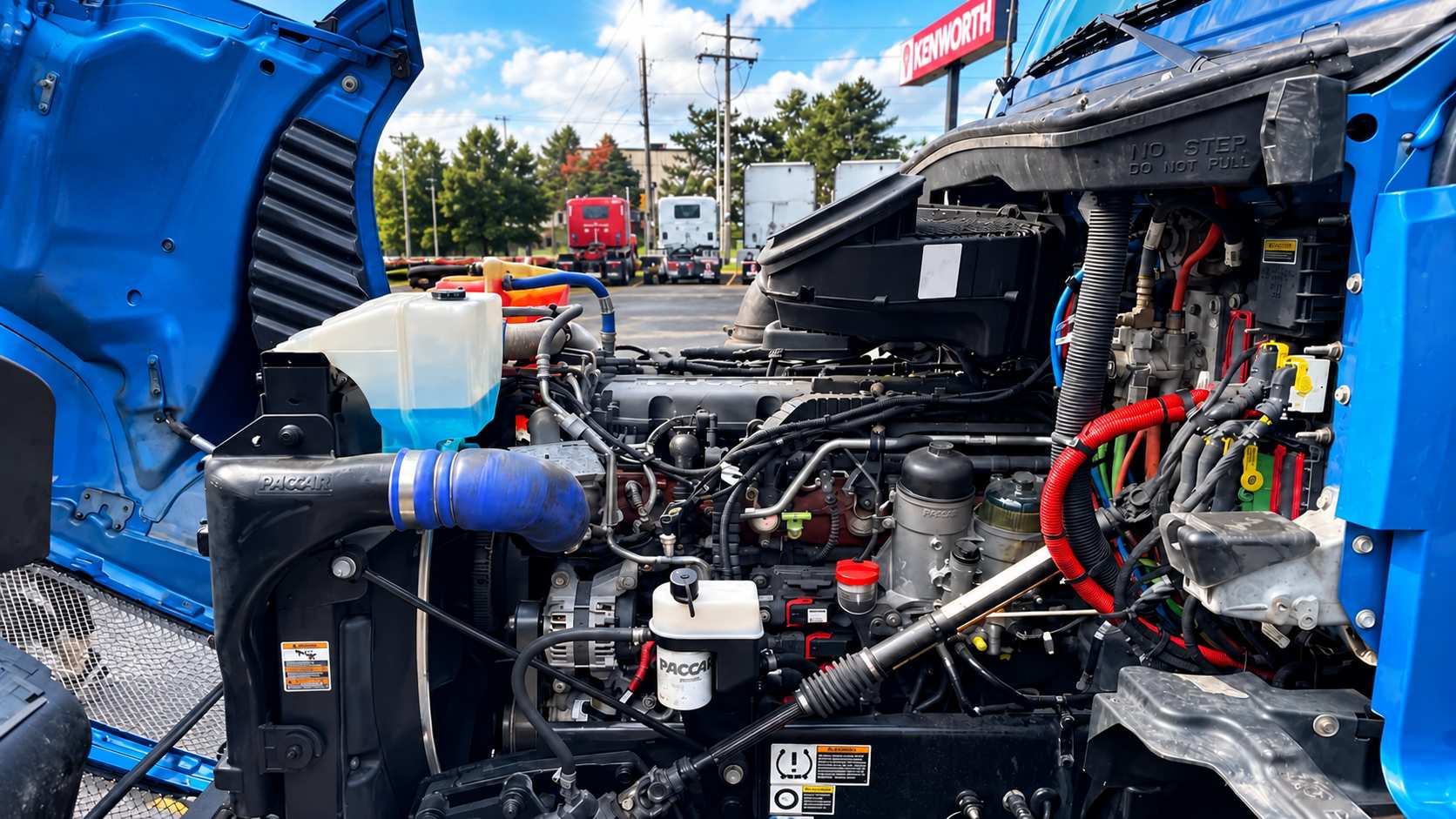
If you’re running an MX-13 in a Kenworth — a T680 or a W990 — there’s one part most mechanics won’t bring up until it’s already too late: the EGR valve and EGR cooler.
- The part: EGR valve and EGR cooler
- What happens when it fails: The EGR gets heavy carbon buildup over time. The valve sticks, the cooler clogs, and once that happens you’re losing power, burning more fuel, and staring at a check engine light with codes you don’t want to deal with on the road.
- Cost to fix now: ~$400–$600 for the EGR valve part alone, or roughly $1,200–$1,800 for the full job if you clean the cooler at the same time — and you should.
- Cost if you wait: A full EGR cooler failure means coolant leaking into the exhaust and potential head damage — a $6,000–$10,000 repair minimum. Drivers have ended up stranded on the side of the road from this exact issue with zero warning it was coming.
- When to check it: Around 200,000 to 300,000 miles, proactively — don’t wait for the check engine light.
Most mechanics won’t bring this up on their own. They’d rather see the bigger repair.
Better Pay Beats a Pretty Hood
Owning a Kenworth earns you respect at every truck stop in the country. But respect doesn’t make the payment on that truck. I spent years where the truck itself was solid and the company I was running for wasn’t — bad miles, bad dispatch, a settlement that didn’t match what I actually put in behind the wheel. That’s a big part of why I started Truck Service Hub: not just shops, not just fuel cards — I help drivers find better companies to run for: better pay, better conditions, the kind of deal that actually matches the work.
See Open Positions⚠️ Pro Tip: The Turbocharger Problem on the PACCAR MX-13
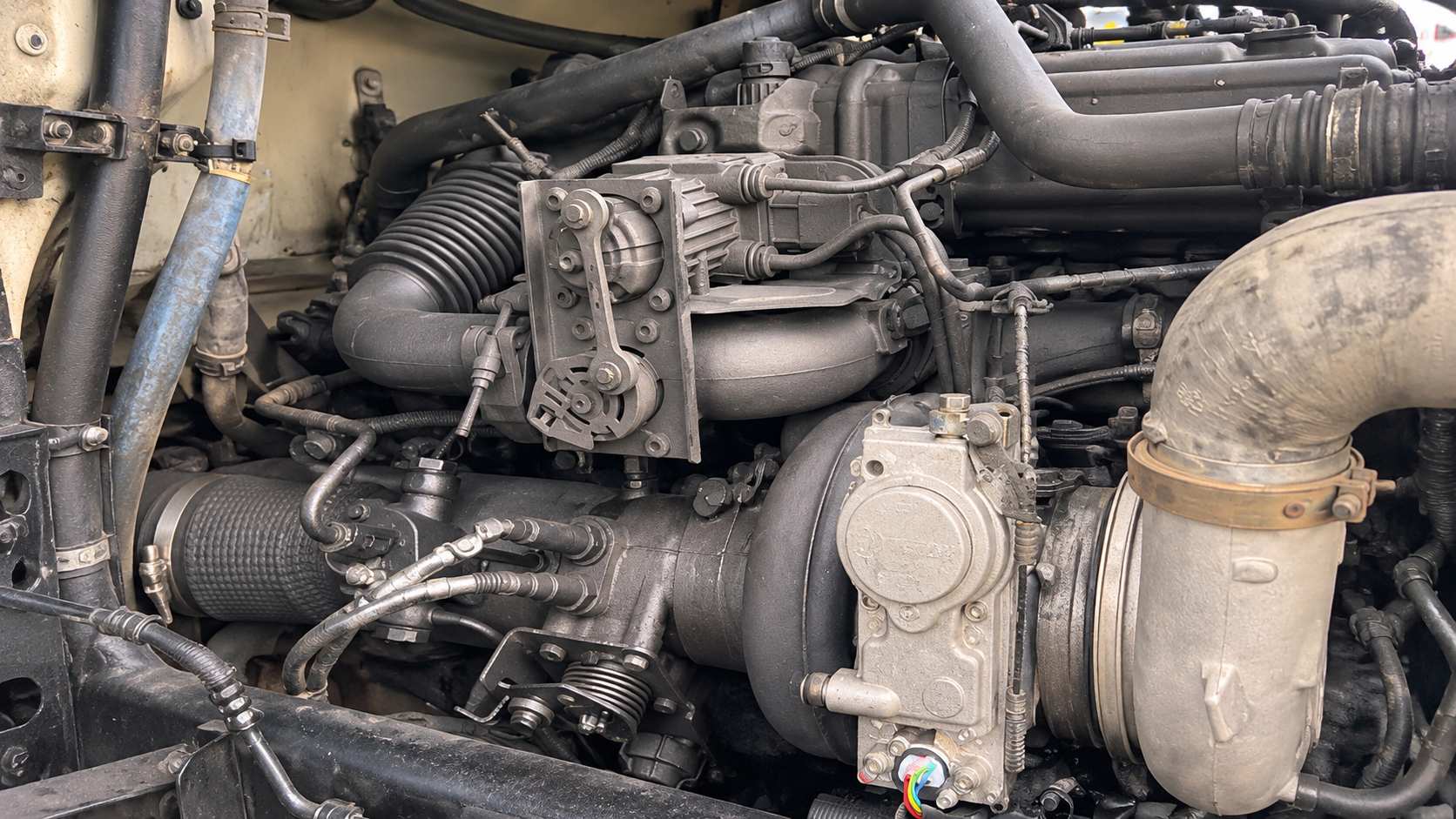
Here’s a second one worth knowing before it costs you. The turbocharger on the MX-13 is the failure mechanics miss until it’s already expensive.
Early warning signs: a high-pitched whine under load, oil smoke from the exhaust on startup, and losing boost pressure on hills. If you feel power fading under load and you’re not getting the RPMs you expect, check the turbo first — not the fuel system.
- The part: Turbocharger oil seals and oil feed line
- What happens when it fails: An oil leak at the turbo seals is the classic early symptom. Left alone, oil works its way into the intake, then the intercooler, then the engine itself.
- Cost to fix now: ~$800–$1,200 total to replace the seals and clean the oil feed line, which can clog over time.
- Cost if you wait: Once oil contamination reaches the intake and intercooler, you’re not looking at a $1,200 repair anymore — that’s a $15,000–$20,000 problem.
- When to check it: Clean the oil feed line every 100,000 miles, and inspect the seals at the first sign of a whine, smoke, or boost loss.
At Truck Service Hub in Chicago, we’ve got shops that know these engines inside and out — mechanics who won’t sell you a repair you don’t need.
Is a Kenworth Worth Buying in 2026?
Kenworth was never the cheapest badge on the lot, and the classic W900 was never going to beat a T680 at the pump. Those trade-offs haven’t changed. What has changed is the calculation around which Kenworth actually makes sense for you right now.
If you want the classic — the W900 — the window to buy one new closes in 2026. A clean used W900L is already appreciating, and that trend is likely to accelerate once production stops for good. The real trade-off is parts and service: classic Cummins, Cat, and Detroit Diesel engines are simple and well understood by independent shops today, but as the truck ages further and the network of mechanics who grew up on those engines gets smaller, sourcing specialized parts may get harder. That’s the honest con, not a reason to avoid it.
If you want the daily-driver efficiency, the T680 or the newer W990 are the real answer. Both run the PACCAR MX-13 — a strong, fuel-efficient engine when the EGR and turbo maintenance above actually get done on schedule. The W990 is the pick if you want the long-hood look without giving up the aerodynamic fuel savings; the T680 is the pick if fuel-cost-per-mile is the only number that matters to your bottom line.
There’s also an insurance and financing angle worth thinking about before you buy either direction. A pre-2026 W900 bought now as an appreciating asset can sometimes qualify for classic or antique vehicle coverage down the road, which tends to run cheaper than standard commercial coverage — but not immediately, and not automatically, so check with your insurer before you count on it. A T680 or W990 financed as a working truck is the more straightforward path if you need predictable monthly costs starting on day one.
Bottom line: Kenworth and Peterbilt together hold roughly 35 percent of the American heavy-duty market for a reason — these are trucks built by a company that has been solving the same problem since 1923: build something that keeps running. Whichever model you pick, that’s still the promise behind the badge.
Find a Trusted Kenworth Shop (and a Better Company) at Truck Service Hub
Whether you’re keeping the classic running or putting miles on a T680, Truck Service Hub puts everything in one place. A trusted Kenworth shop that actually knows the MX-13 inside and out, a trailer shop when the reefer or the box needs attention, a fuel card deal that puts real money back on your statement, or a company that pays what you’re worth — it’s all here. Built by a driver, for drivers.
Explore Truck Service HubGot a question first? Contact us.
Frequently Asked Questions About Kenworth Trucks
How many miles will a Kenworth with the PACCAR MX-13 last?
With regular maintenance — especially staying ahead of the EGR valve and turbocharger issues covered above — an MX-13 in a T680 or W990 can comfortably run past 750,000 to a million miles. The engine itself is well built; most early failures trace back to skipped maintenance, not a design flaw.
Is Kenworth the same company as Peterbilt?
Yes. Both brands are owned by PACCAR, which bought Kenworth in 1945 (as Pacific Car and Foundry) and Peterbilt in 1958. They’re built by the same parent company and share engineering and parts, but they market to different driver identities.
Why is Kenworth discontinuing the W900?
Kenworth announced in March 2025 that W900 production ends in 2026 after 65 years. The reason is emissions regulations and component constraints — the original chassis design can no longer be updated to meet current standards.
Is a used Kenworth W900 a good investment right now?
Increasingly, yes. With production ending in 2026, resale values on clean W900s — especially the extended-hood W900L — are already climbing, and that trend typically accelerates once a production run actually stops.
What’s the difference between a Kenworth W900 and a W990?
The W900 is the classic long-hood truck built from 1961 through 2026, typically running a Cummins, Cat, or Detroit Diesel in its later years. The W990, launched in 2019, has similar long-nose styling but sits on the modern T680 platform with the PACCAR MX-13 engine and today’s aerodynamic efficiency.
Is Kenworth or Peterbilt better for owner-operators?
Neither is objectively better — both are built by PACCAR and share major components like the MX-13 engine. The real decision usually comes down to which brand’s identity and dealer network fit you better, since parts and reliability are close to a wash between them.
The Bottom Line on Kenworth
Kenworth was never trying to be the flashiest name in trucking. It was two guys in Seattle in 1923 who wanted to build something that worked, and 65 years of one model — the W900 — proving that philosophy right up until emissions regulations finally caught up with a 1961 design. Kenworth and Peterbilt share the same parent company today, which is exactly why the truck-stop debate between them will never fully settle, and why it doesn’t really need to.
You own a W900 — are you keeping it or selling it now that production is ending? And if you’ve never driven a classic, would you switch to one? Tell us in the comments below.